The Strategic Use of Empty Private Jets for Asset Transport
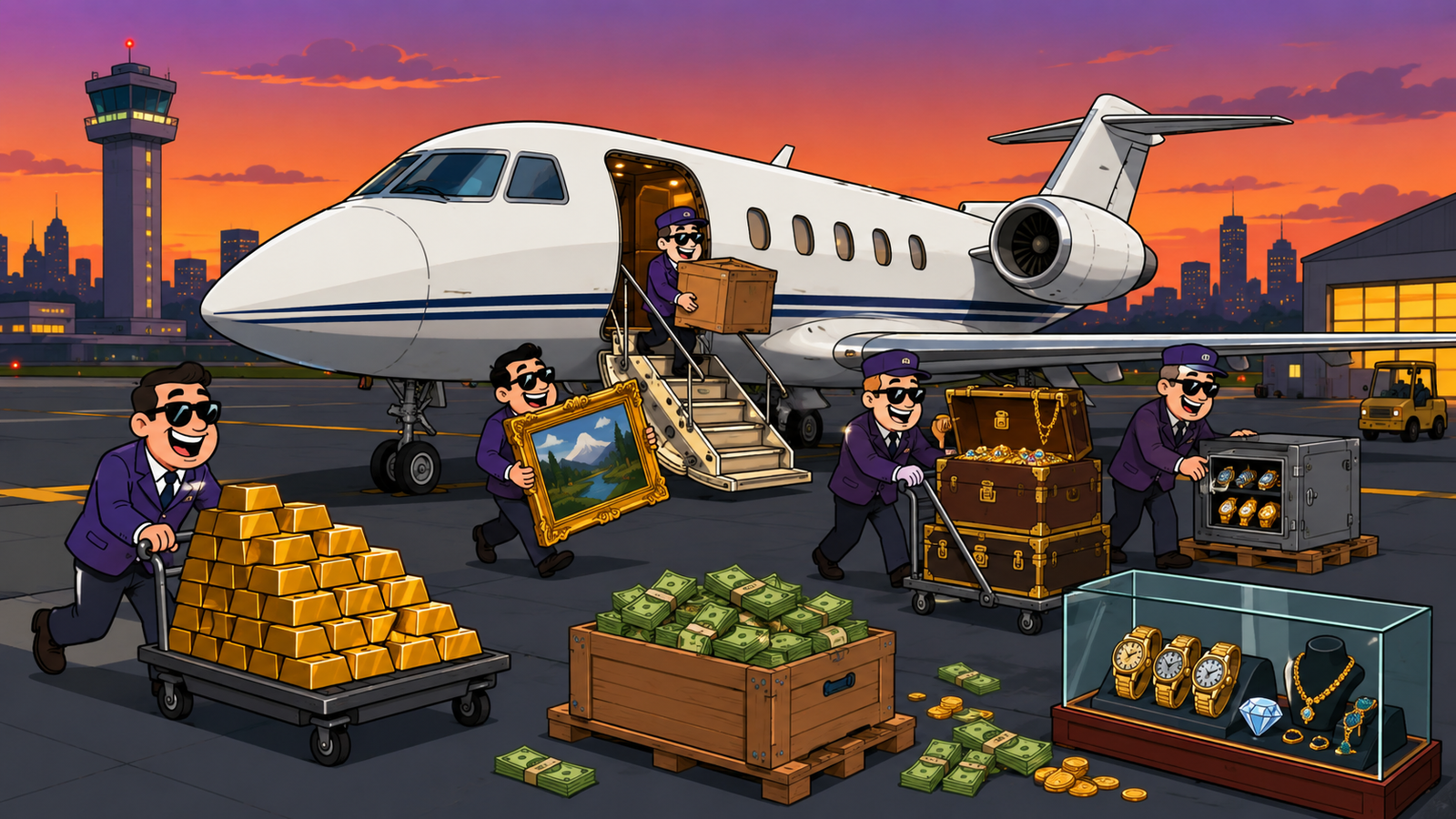
The Tax Loophole: Why Ultra-Wealthy Elites Fly Empty Private Jets
Look up at the sky and you might see a private jet worth $60 million flying above the clouds. You would probably think that a billionaire is on board enjoying the luxury.
But what if there is nobody on the jet?
At first it seems like a huge waste of money to fly a private jet with no people on it. The private jet costs a lot of money to run, with fuel and maintenance and crew expenses adding up to thousands of dollars per hour. So why would someone fly a private jet especially across international borders?
The reason for this is that it has to do with taxes and customs and managing wealth. For some rich people and businesses an empty private jet can be useful for things other than just flying people around. Sometimes the empty private jet can be part of a plan to move things around the world without paying too much in taxes and customs.
Why Luxury Goods Can Trigger Big Tax Bills
Imagine you buy a watch in Switzerland for $5 million.
Just buying the watch is not the thing you have to pay for. When you bring the watch into another country you might have to pay taxes or fees. These costs can be very high depending on the laws of the country.
For something that costs millions of dollars the taxes you have to pay can also be millions of dollars.
This is why rich collectors and big businesses and museums and luxury stores spend a lot of time thinking about how to move things around not just where to buy them. They think about the jet and how it can help them save money on taxes. The $2 Million Loophole is, about the private jet and how it can be used to save money. The ultra-wealthy elites use the jet to their advantage and that is why they fly empty private jets.
Why Flights Exist
A lot of private planes make trips without any people on them. These trips are called repositioning flights.
A private plane will make a repositioning flight when it has to go to another airport to pick up its passengers or go back to where it is kept or get some work done on it or get ready for its next trip.
These kinds of flights happen all the time in the flying business and they are not weird.
The rules for these flights are different from the rules for airlines because there are no people on the plane.. If the plane is carrying stuff, like boxes or machines or things from other countries it still has to follow the rules about importing things. The rules depend on which countries are involved and what kind of things are being moved.
The Business Behind Private Aviation
For people a private jet is not just something fancy to own.
It can be an useful tool for their work. It lets them travel quickly to cities move special equipment or help with work in other countries where regular flights are not practical.
Sometimes people own jets through special companies that are set up in different places. This can make it easier to pay for the plane rent it out get insurance and follow the rules. It can also affect how tax they have to pay.
So private flying often involves a lot of planning, with lawyers, accountants and other experts before the plane even takes off. This is because there are a lot of things to think about when you own a jet. Private aviation is a business and it requires a lot of work. Private jets are used for aviation and this is a big business.
Why Jurisdiction Matters
One of the interesting parts of international aviation is where a plane is legally registered.
Many business planes are registered in places that focus on aviation services because those spots have legal systems ways to get money and easy ways to handle paperwork for owning a plane.
The place where the plane is registered can affect how the plane is taxed, borrowed, rented or flown around the world long as all the rules are followed.
For companies and rich people who work in many countries these choices are part of a bigger plan to control costs while following international rules.
More Than Transportation
Private planes are also often used to move things that are worth a lot of money.
Museums move special paintings between shows in different countries. Auction companies move items. Luxury makers deliver jewelry and watches. Banks might move papers or other valuable things that need special care.
Because these things can be worth millions moving them needs a lot of planning that includes insurance, papers for customs, security plans and following the rules.
In cases the way the items are moved is almost as important, as the items themselves.
The Real Lesson
Stories about empty private jets often capture public attention because they appear mysterious. However, they reveal something much larger about how global finance operates.
For the average traveler, international purchasing typically involves a few simple customs checks. For conglomerates, museums, shipping firms, and billionaire collectors, the transportation of valuable assets involves entire staffs of lawyers, accountants, customs brokers, and aviation consultants working in concert to execute a deal within the bounds of the law.
The key difference, of course, is the access to financial and international expertise.
Looking Beyond the Luxury
While the image that comes to mind when discussing private jets centers on images of luxury, these aircraft serve many other purposes beyond simply ferrying wealthy individuals from point A to point B. In actuality, private jets can be leveraged as business tools to generate profits, as well as facilitate international trade and act as symbols of status as well as pieces of art in their own right.
The next time you spot a private jet in the sky, you might want to think beyond the passengers and consider the intricate web of finance, logistics, taxation, and international law that goes into each and every flight.