How a ₹1 Candy Disrupted the Indian Market
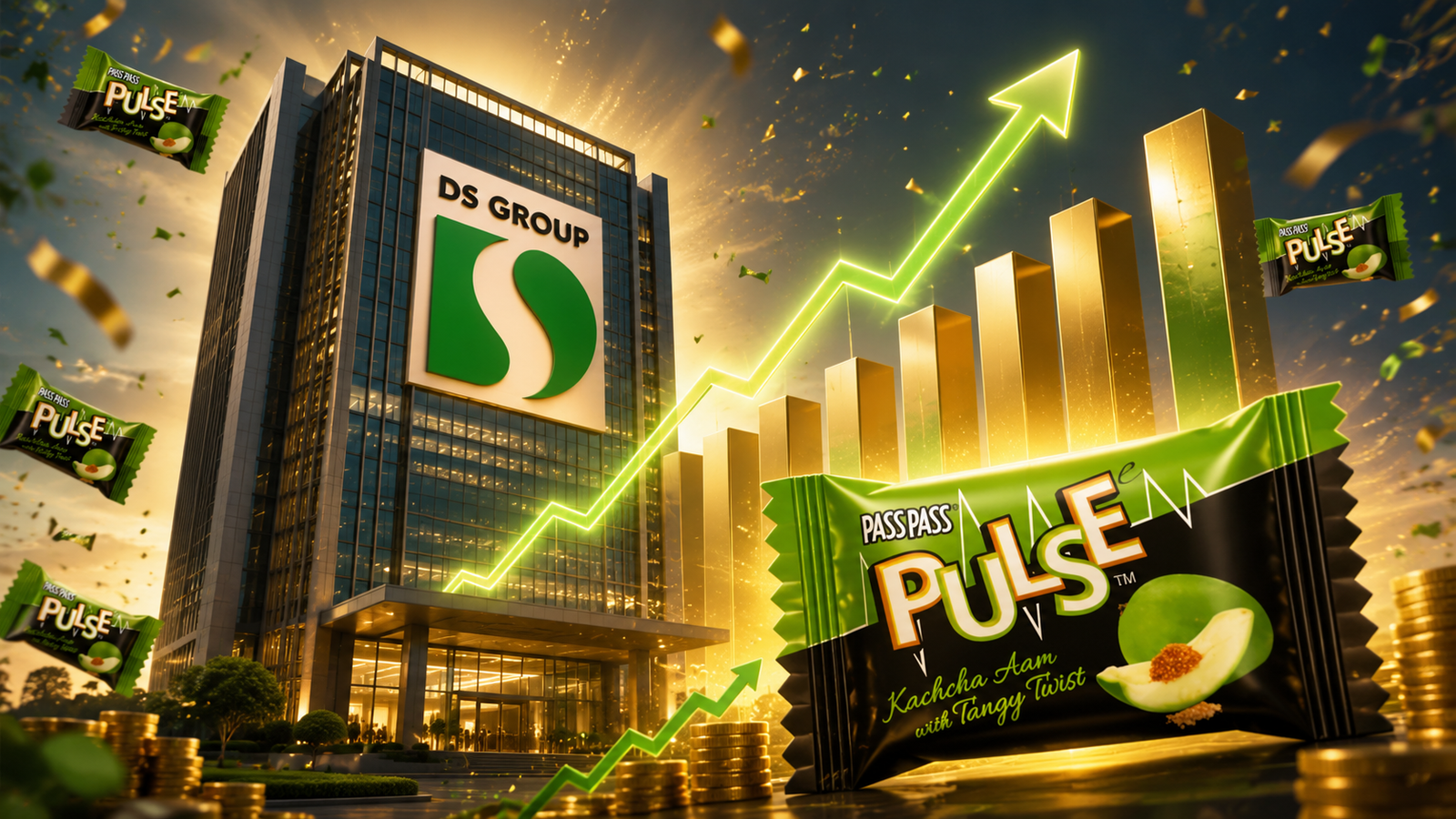
The ₹1 Gamble: How a Spicy Candy Disrupted Retail and Matched Coca-Colas Growth Record
Starting a product is really tough.
Launching one in Indias competitive candy market is even tougher.
Now imagine making it even harder for yourself. You sell your product for ₹1 when most other companies sell candies for just 50 paise. You also do not want to spend a lot of money on television commercials or get people to promote your product.
By the way of doing business the product should not do well.
It became one of the biggest success stories in Indias food and drink industry.
In eight months a simple candy called Pulse made more than ₹100 crore in sales, which is like what one of Coca-Colas fastest growing products did.
So how did a ₹1 candy do what big brands struggle to do?
The answer is that they understood what people want better, than companies.
The Battle of the 50-Paise Market
When Pulse came into the market in 2015 Indias candy industry was already full of brands.
86% Of candy sales came from products that cost 50 paise. Companies were trying to sell much as they could even if they did not make a lot of money from each sale.
They were selling millions of units every day. They were not making a lot of profit.
For any brand it was hard to compete with these big companies.
The DS Group knew something
They knew that just making their product cheaper was not an idea.
Of making another cheap candy they wanted to make a product that people would pay more for.
To get people to pay twice as much for one piece of candy they had to make something really special.
It had to be a product that people had never seen before.
Finding Inspiration on Indian Streets
The idea behind Pulse did not come from a boardroom filled with market researchers.
It came from something familiar.
Across India one snack has stayed popular for years—raw mango with salt, chilli and tangy spices.
Whether sold by street vendors or made at home this special mix of sour, spicy and salty tastes is deeply connected to Indian food culture.
Rajiv Kumar, Vice Chairman of the DS Group saw that this was not a popular snack.
It was an experience that millions of Indians shared.
Of making a completely new flavor the company chose to recreate a taste that people already loved.
Sometimes the best innovation isn't about making something
It's about showing an experience in a new way.
More Than Another Candy
Charging ₹1 instead of 50 paise meant customers needed to feel they were getting something better.
The company made two choices.
First Pulse was made bigger than most other candies giving customers a quick feeling of more value.
Second—and most important—it offered a surprise.
The outside tasted like a sweet and tangy mango candy.
Just as the person started to enjoy that flavor the center opened up releasing a strong mix of spicy masala powder.
The experience was completely different, from candies.
Of just eating something sweet people had the same flow of flavors they knew from eating spiced raw mango.
That sudden burst became the feature of Pulse.
Letting the Product Speak for Itself
companies that launch a new product spend a lot of money on advertising.
They make television commercials.
They get celebrities to endorse their product.
They put up billboards.
They start campaigns.
The DS Group did things differently.
They did not launch Pulse everywhere in the country at the time.
Instead they introduced Pulse in a few places, like Rajasthan, Gujarat and Delhi.
This way they could see how people reacted to the product make sure it was getting to stores properly and understand how much people wanted it before they sold it all over India.
The important thing they did was rely on people talking about Pulse.
People really liked the candy.
They told their friends about it.
Friends told their friends to try it.
Families bought more and more of it.
Store owners had a time keeping it on the shelves.
Pulse started to get famous without the company spending a lot of money on ads.
When Word of Mouth Becomes Marketing
Every product that does well gets to a point where the people who buy it start telling others about it.
Pulse got to that point quickly.
People started buying lots of Pulse candies at once.
Store owners saw people coming back just to buy Pulse.
Offices, schools and neighbourhood stores were places where people introduced Pulse to others who had not tried it yet.
Every person who liked Pulse made it possible for another person to try it.
The company did not have to pay for ads because people were already talking about Pulse over the country.
In eight months Pulse sold more than ₹100 crore, which made it one of the fastest growing products in India.
From One Candy to a National Brand
The way Pulse was launched was the beginning.
Today you can find Pulse in millions of stores over India and it still sells a lot every day.
What started as an idea for a new kind of candy has become one of the most well-known candy brands, in the country.
The success of Pulse also helped the DS Group as a whole showing how one good product can change the way a whole company grows.
The Business Lessons Behind Pulse
The story of Pulse offers lessons for entrepreneurs far beyond the candy business.
The first is that understanding customers often matters more, than outspending competitors. The company didn't invent a new taste—it recognized a flavour that millions of Indians already loved and packaged it in a new convenient way.
The second lesson is that value creates pricing power. Consumers were happy to pay double the prevailing market price because they believed they were receiving a product and a more memorable experience.
Third, launching small before expanding reduced risk. By testing the product in selected markets the company gathered feedback before investing in large-scale distribution.
Finally Pulse demonstrated that word of mouth remains one of the powerful forms of marketing. A product that genuinely surprises and delights customers often generates publicity that even the largest advertising budget cannot replicate.
When Products Become Conversations
The success of Pulse is yet another reminder that disruptive business rarely takes the form of some massively innovative technologies and multi-billion dollar R&D.
Sometimes its just about paying attention to the little things.
A roadside flavor was turned into a national icon by a company that recognized that customers dont really buy products, they buy experiences, the memories and feelings associated with them, and the story behind them.
In the end Pulse was able to capitalize on a ₹1 candy by providing consumers with the surprise that comes with discovering something new and exciting, all wrapped in the comfort of something familiar.